Wednesday, February 8, 2017

Police Officer in Chicago

In association with our learning on America`s situation in police brutality and criminality, our teacher contacted two police officers working in Chicago, a city with many different environments largely affected by crime. Due to their require of being anonymous, they will in this case be called "George" and "Kevin".

In 2016, the number of deaths in Chicago caused by homicides increased by nearly 60% with 753 people killed this past year. The city being the home of about 2,7 million people, is never quiet when it comes to criminality. Many police officers is exposed to serious danger on a daily basis, and it is not to be hidden that a number of officers lose their lives in their work.

"George" being an African American having experienced racism from police in his past, decided to contribute to be a part of the solution on this issue when deciding to become an officer. "Kevin" found purpose in helping others and loves his job where he gets to "fix things that he hates”.

They were kind in answering many questions from us. Below you can read some of the questions and answers. Q stands for question and A is for answer.


Questions and answers for “Kevin”

Q: What do you feel is the most difficult thing about working in Chicago?
A:The most difficult thing about working in Chicago is changing the culture of racism, and helping others see that african American people are not a lost people. There are certain subcultures that have embraced crime and violence due to a lack of education, opportunities, and resources.

Q: What do you think could have been done to get rid of unnecessary police violence?
A: Education about different cultures will help prevent unnecessary use of force, when there is a lack of empathy due to ignorance perpetuated by the media many times you will see officers overreact. The dangerous gang members are not the majority, there is no need to treat regular everyday citizens with such caution. But when you believe all African American males with certain hairstyles or style of dress are in a gang and dangerous, it makes you deal with people improperly.


Q:How do you feel being pictured as the bad guy by the media? How do you think the mistrust in the police can be fixed? What kinds of criminals do you face on a normal work day?
A:It’s frustrating being pictured this way, but it’s not factual. We are working on the solutions, many of the programs that I am a part of are designed to do just that. One of the biggest challenges that I face is convincing white officers to get involved with activities with the youth where they work. Many of them assume all the kids are bad. I know better. Most of the criminals we face are gang related, low level drug offenders. However many of the officers without empathy lock up anyone in poverty stricken areas for anything petty that they can find. This causes mistrust and frustration as well for the community because if you go to a white neighborhood those types of same activities are being conducted but not enforced.

Q:Hello, why do you think Chicago is one of the most violent cities in the US?
A:This is a good question, I am no authority on the topic, however Chicago is one of the most segregated cities in the US. I believe it also causes separation for employment opportunities. Many of the union, government, or municipal jobs which allow for a basic middle class family to survive had been restricted to a certain group of people. Years of frustration and criminalization of the African American male with over Policing of the black community leaves men with criminal records and no hope for employment. Which usually leads to illegal drug sales or other criminal activity to survive. These are dangerous and violent paths.

Q:Hello! After reading about all the shooting incidents in Chicago we wondered if the police training has to go through a reform in order to reduce the shootings.
A: We are changing the policies and requiring more training yearly. It’s amazing to me that some officers are upset about that. I read things that break my heart on social media, white officers saying things that make me angry, As if it is a bad idea to treat people like people.


Questions and answers for “George”

A: Do you agree with the Black Lives Matter protestors? Or do you view them differently because you are a police officer?
B: I do not view anyone differently because of my role as a Chicago Police Officer. In fact, every police officer that I work with is so much more than their badge. My coworkers – or better yet, my extended family – are mothers and fathers, brothers and sisters, and a combination of their previous professional experiences that they bring to the job before they put the uniform on.
Specifically, with regard to the Black Lives Matter movement, I have taken an oath, both as a soldier and as a police officer, to defend the laws and the Constitution of the United States. I respect the movement’s freedom of speech and freedom of assembly rights. I respect the conversation about race in America. More importantly, I respect folks of all ages and all backgrounds coming together for a common purpose.
However, if I am to be completely honest, I have never been a “protestor.” I have always preferred to immerse myself in the challenges of the day, including enlisting in the military after America’s announcement of the “Surge into Iraq,” teaching and living on the Southside of Chicago during the city’s teacher union strike and the largest school closure in the history of American public education, and graduating from the Chicago Police Academy during the same summer as the protests in Ferguson, Missouri. So, no matter what the subject matter is concerning any protest, I prefer to roll up my sleeves and make change from the “inside.”

Q: What do you feel is the most difficult thing about working in Chicago? How do you find the motivation?
A: The most difficult aspect of working in Chicago is dealing with a convoluted bureaucracy across government, business, and nonprofit sectors. There is so much that can be done that isn’t, including: (1) establishing better drug treatment programs for addiction, (2) addressing the systemic gaps in land use strategy and vacant housing in the city, and (3) making private investments in our toughest neighborhoods.

Q:I am wondering if you have encountered any near death experiences? If so, is there a lot of them?
A: As a police officer, yes, I have encountered near death experiences. I have been on the same street while citizens have illegally discharged a firearm. I have been the first officer on scene for at least four homicides while working in one of Chicago’s toughest neighborhoods over a two-year time period. Plus, my job is to respond to emergency calls for service. As a result, it is my job to show up and to solve problems during the worst moments of someone’s life, often multiple times per night.

Q: Hello, why do you think Chicago is one of the most violent cities in the US?
A: I think Chicago is one of the most violent cities in America for a number of reasons. First, the city is extremely segregated and we have entire neighborhoods that are severely impoverished. So, it’s tough for folks to afford a quality standard of living for themselves and their families. Additionally, there is an easy access to illegal weapons. Social media spurs conflict. Plus, drug addiction leads to drug sales and gangs fight over drug sales.
Those are just a few issues that have led us to where we are today.

Q: Hello! After reading about all the shooting incidents in Chicago we wondered if the police training has to go through a reform in order to reduce the shootings?
A:I believe that CPD firearms training is adequate. I also believe that it can be better. However, the use of your word “all” seems to be somewhat exaggerated in your question. Specifically, in 2016, there were 25 police-involved shootings, including 11 deaths and 14 injuries. Nearly all of them involved in armed offender. Additionally, CPD recovered 8,300 illegal guns in 2016. Every single one of those 8,300 gun recoveries could have been an armed conflict that resulted in a police-involved shooting. To put that in perspective, there are 8,760 hours in a year. That means that the Chicago Police Department recovered almost one illegal firearm an hour for all of 2016.




Wednesday, December 14, 2016

Journalist Amund Bakke Foss

Amund Bakke Foss is a journalist for the Norwegian newspaper VG. He is a foreign corresponder, and he works with countries all around the world. Recently, he has written a lot of articles about the war in Aleppo, Syria. He isn't on the ground in Aleppo, but works from Cairo, Egypt. We read two of his articles, that we all found very shocking and interesting. You can read them here: Syria - school attack and The citizens' stories

We got to answer him some questions, and he answered. Q stands for question and A stands for answer. These are some of them, all written by the same student (who had follow-up questions as well).
Q: Hei Amund Bakke Foss! Hvordan var det for deg å snakke med disse folkene? Hvilke inntrykk fikk du av å snakke med de? Hva tror du er grunnen til at FN har gjort så lite i Aleppo?
A: Jeg synes det er veldig viktig å snakke med dem for å få et inntrykk av hvordan det er å leve i krig. Jeg sitter i trygghet i Norge, mens de snakker med meg mens de bombes. Jeg blir først og fremst slått i bakken av hvor modige mange av dem er. De står opp og snakker om det som skjer, selvom de er i livsfare hvis regimet klarer å ta over områdene deres. Det er utrolig hvor sterk overlevelsesevnen er. De har opplevd ting vi ikke kan tenke oss, men de holder ut. Vi skal være veldig takknemlig for at noen orker å holde kontakten med journalister som meg, mens de forsøker alt de kan å overleve. FN gjør veldig lite, fordi de ikke har noen militærstyrke å bruke. For at FN skal gjøre noe i en krigssituasjon må de få forslaget godkjent i FNs sikkerhetsråd, og der vil Russland alltid legge ned veto. Og Russland og det syriske regimet, kan nå i samarbeid med Iran, nesten gjøre hva de vil uten at noen griper inn. Etter krigene i Afghanistan, Irak og Libya er USA veldig redde for å sette inn militærmakt i stor grad i Syria.
Q: Hvordan skal FN kunne fungere på den måten den skal hvis noen kan nekte de å redde mennesker for egen vinning?
A: Det er et veldig godt spørsmål, Elias. Det er et av de store problemene vi har i verden i dag. Hvis en mektig stat som Russland bestemmer seg for å angripe mennesker i Syria, og det syriske regimt lar dem gjøre det, er det lite FN kan gjøre.FN kan ikke vedta noen resolusjoner som stopper det. Og mange stater tør ikke legge seg i en væpnet konflikt med mektige Russland. Det er en veldig vanskelig verden vi lever i. Men vi må bare fortsette å håpe og jobbe for at det skal bli bedre.
Q: Om jeg har forstått deg rett vil FN aldri kunne gjøre noe uten godkjennesle fra Russland? Det vil da si om noen av landene med vetorett nekter for noe, kan man aldri gjøre det?
A: Du har forstått meg rett, og det er en av de aller vanskeligste reglene i FN.
Q: Hvem er "Den frie Syriske hær" Tror du de kan gjøre noen forskjell og er de noe bedre enn noen andre?
A: Dette var den gruppen som først tok opp våpen for å beskytte sivilbefolkningen som demonstrerte mot diktatoren. De besto av leger, lærer, og soldater som byttet side i konflitken. De var sterke i starten av krigen og der er mer moderate og sekulære enn mange andre grupper. Likvel har det også kommet rapporter om at de har gjort flere overgrep. De anses av Vesten for å være bedre enn mange av ekstremistgruppene i landet.
Q: Om de "vinner" tror du det kommer til å skje noe lignende som i Libya? At de som overtar etter diktatorer er like ille eller enda verre. I så fall, hvem ville i dine øyne vært best om "vant" denne konflikten?
A: Det er vanskelig å se hva som er løsningen i Syria nå. Opprørerne består av så mange ulike grupper med så mange ulike mål. Krigen ville ikke vært over, selvom Assad skulle falle. Mange av de "gode" menneskene i syria, som ønsket demokrati og frihet til å si hva de ville er drept, fengslet eller har flyktet.

We found out some shocking facts about this crisis that we didn't already know. We didn't know the situation was as critical as it is. Amund also gave us very good and fulfilling answers that we never would have gotten to know if it wasn't for him.

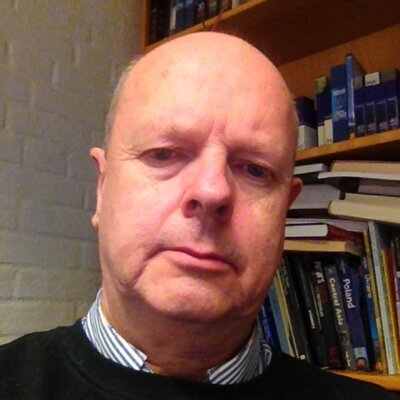
Here is a photo of Amund Bakke Foss. Image source: http://www.vg.no/profil/18149/
 
This post is written by Marte.
 

Tuesday, December 13, 2016

Journalist Morten Jentoft

Morten Jentoft is a Norwegian Journalist that lives in Russia, he works for the TV producer NRK. Jentoft is responsible for a lot of the work that NRK does in Russia. Here is a link to a reportage that Morten Jentoft did about nuclear powerplant: https://tv.nrk.no/serie/urix/NNFA53091316/13-09-2016

Here is a picture of Morten Jentoft.


The students from Rothaugen were skyping with Jentoft while he was in Russia and got to ask him a lot of interesting questions like for an example what a normal day at work is like for him. He answered that a day at work for him is different from day to day because he is working with news it's different from day to day.
This post is written by Sarah.

Gethin Roberts and Jonathan Blake


Gethin Roberts is a man we talked to after watching a movie called “Pride”. Pride is the movie about a group of gays and lesbians who supported the miners during the miner strike in 1984. They called their group LGSM (Lesbians and Gays Support the Miners). They gathered money to help miners who had lost their jobs and didn’t make money for food. Gethin Roberts was one of the founding members of LGSM together with his friends from the gay community. They gathered money by standing with buckets in front of gay nightclubs and pubs. They also stood in front of the bookshop known as “Gays the word”. “Gays the word” worked as the LGSM’s headquarters.

We also skyped with Jonathan Blake, another founding member of LGSM. That was very interesting, as he had many funny stories from his time with LGSM and other stories from his younger days.

We asked questions about Gethin's involvement with LGSM and the miners strike, and Gethin answered them all. His answers were very interesting. Some of the questions and answers were:

Q: What do you think is the biggest accomplishment LGSM has managed to do the last 20 years?
A-Lgsm was set up for one specific purpose - to support a mining community during the strike that started in march 1984 - we raised funds till the end of the strike and for about 12 months after . After that Lgsm was wound up and we all focus of turkey .

Q: After the mining strike ended, did many people know of the great work you did, or was it only familiar in the gay community and mining community?After the mining strike ended, did many people know of the great work you did, or was it only familiar in the gay community and mining community?
A: I think our story was really only known by people who had been involved - though we produced a video in 1985 ( all out dancing in Dulais - you can find it on youtube )There were a few references in books and magazines but the story was not really well known or documented.. When Stephen first heard the story in the early 1990's he thought it must be an urban myth ! He didn't really believe miners had ever come on a gay pride march.
Q: How different do you think the miners' situation would have been if LGSM hadn't economically supported them during the strike?
A: LGSM was just one of many hundreds of group - trade unions, churches, community groups etc who raised money for mining communities . This funding was the only reason the miners were able to stay out on strike for 12 months - the government had confiscated the miners union strike funds and changed the law to prevent their wives and children from accessing social benefit payments - so for a long period whole communities relied on supporters like LGSM to feed them.

It was interesting collaborating with Gethin and Jonathan, and we learned a lot about the LGSM and their work to financially supporting the miners. We learned a lot about both the miner strike and the LGSM when asking questions to Gethin and Jonathan. Many things that our teacher wouldn’t know.

This post is written by Trygve.


Lawyer Geir Woxholt

Geir Woxholt is a Norwegian lawyer and a proffesor at the University of Oslo. He has also written a lot of different books about law. In the start of 10th grade we worked on a project regarding law and punishment. Laws and punishment can be a hard subject both for students and teachers because it is a lot to get your head around and it is heavy stuff. Therefore this was the perfect subject to get help from someone professional.

We asked him some questions, and he answered. Q stands for question and A stands for answer.

Q: Hei, jeg heter Christopher Conti. Jeg lurte på om det er mulig at en som ikke er ungdom (fra 15-21år gammel) kan då få "påtaleunnlatelse" vis forseelsen eller forbrytelsen ikke er veldig alvorlig?
A: Ja, påtaleunnlatelse betyr at politiet mener at det foreligger et straffbart forhold, men at de ikke tar ut tiltale (altså reiser sak for domstolen). Det kan gis i alle saker, men det vanlige er at det skjer hvis det er en ungdom som ikke er straffet før og det man er anklaget for er mer bagatellmessig.
Q: Hei! Jeg lurer på om en persons stilling i samfunnet har noen innvirkning på hvilken domstol han eller hun kommer opp i. Hvis for eksempel utenriksministeren i Norge hadde begått en forbrytelse. Ville da han/hun kommet opp i samme domstol som en hvilken som helst annen person for samme forbrytelse?
A: Svaret er ja. Det har ingen betydning om man er "høy" eller "lav" når saken først har kommet til domstolen. Det man kan spørre om er om f eks politiet vil behandle en høystatustype mildere enn en stakkar, og kanskje innstille på lavere straff eller la være å ta ut tiltale (altså bringe saken for retten). Det kan nok ha skjedd, og i tilfelle er det ikke bra. Den store hovedregel er likevel at slikt ikke skjer i Norge som er en rettsstat.
Q: Hei, jeg heter Marte og er elev på Rothaugen skole. Jeg lurte på om vitner er nok bevis i en sak slik at du kan bli dømt til straff uten annet bevis? Jeg har hørt at det er mulig å bli dømt bare med vitneutsagn i mindre saker, men hvor går grensen på hvor alvorlige saker kan være før vitneutsagn ikke er godt nok? Tusen takk for svar!
A: Vi har såkalt fri bevisbedømmelse i Norge. Det betyr at dommerne kan legge vekt på hva de vil av de bevisene som er ført, ut fra et grundig skjønn. Det kan være dokumenter, vitner, en gjenstand f eks (mordvåpen med blod på) osv. Det er derfor ingen regel om at man kan bli dømt "bare" på vitner. Det kommer an på om vitneutsagnene virker troverdige. Hvis det f eks er en straffesak for drap, kan man nok ikke legge så mye vekt på hva broren til tiltalte f eks sier, eller en erklært fiende av ham.

These questions take up quite heavy stuff and is difficult for a teacher to answer. But therefore it was very helpful for everyone to get an explanation from someone who is educated to teach this. Geir Woxholt gave us a good understanding to everything we wandered about.


This post is written by Elias.

Journalist Ole Mathismoen


Ole Mathismoen is a journalist working for a norwegian newspaper called Aftenposten. He is the founder behind the blog “Oles klode” or in english “Ole’s globe” this blog is about the climate, and how pollution is effecting our world. Mathismoen has been writing about environment since 1980, and he has won the Bergesen prize for his work. Mathismoen thinks that the environment is important, that’s one of the reasons he writes about it.

Here is a picture of Ole Mathismoen.

We asked some questions and Ole was kind enough to reply, the questions and answers are all in norwegian. Q stands for question and A stands for answer.
Q: Hvor lenge tror du det er til Norge går tom for olje? Og hva tror du Norge bør satse på etter det?
A: Jeg husker ikke i farten, men vi åpner jo stadig nye felt, så helt tomt blir det neppe på svært lenge, selv om produksjonen allerede har begynt å falle. Jeg synes Norge bør satse skikkelig på fornybar energi, mye mer enn det vi gjør nå. Vi kan vannkraft, det har vi mye av, men vi må også satse på nye fornybare energier sol sol, vind, bølgekraft, sjøvarme og mye annet. Jeg tror, med Norges enorme ingeniør-kompetanse, at vi kunne tjent stort på å ta et bevisst bytte fra olje til fornybar.
Q: Hva tenker du om verdens matsituasjon? Burde alle bli vegetarianere, eller tror du vi kan klare å begrense produksjonen av for eksempel oksekjøtt?
A: Det hadde helt klart hjulpet om mange ble vegetarianere, men det er vel tvilsom at vi skje. Men vi er helt, helt nødt til å redusere bruken av kjøtt ganske kraftig - både for å kunne skaffe nok mat og for å begrense metan-utslippene fra kuenes raping.
I think that Mathismoen was helping us learning more environment and global warming. I think we learned many new things about this, and that we also got more of daily things we do which can save the planet.


This post is written by Hlin-Såga

Author Jacob Waerness

Jacob Waerness is the author of the book “Sikkerthetssjef i Syria”. He has also worked at the Section of Counter Terrot at the Police Security Service. He worked as Head of Security in a cement factory in Syria from 2011 to 2013. Then, beacause of the conflict that stroke the country, he moved back home and wrote a book about it. During his time he witnessed 4 abductions and he cooperated with people who are now considered as terrorists. Today, he is wanted both by the government in Syria and ISIS. And we got to ask him some questions.

We asked him some questions, and he answered. Q stands for question and A stands for answer.
Q: Hei Jacob, hva mener du er utløsende årsaker til grunnleggelsen av IS og andre terrorgrupper?
A: Hei Georg, vanskelig spørsmål. Bakgrunnen for ekstremisme er sammensatt og kan forstås fra et storpolitisk perspektiv (rivalisering mellom stormakter etc), sosioøkonomisk (forskjellen mellom fattig og rik etc), sosiologisk (jakt på gruppetilhørighet, fremmedgjøring) og psykologisk (personlige grunner, spenningssøken, personlige problemer etc). I Syria forårsaket maktvakuumet, som ble til etter at regimet trakk seg tilbake fra mange regioner, at andre politiske og militære aktører kunne komme og fylle dette. Kaoset som fulgte har vært gode kår for ekstremistiske grupper.
Q: Hei Jacob Waerness! Kan man sammenligne IS med korsfarerne på 1100-tallet? På måten IS nå prøver å kun ha én religion i verden, i likhet med slik enkelte prøvde med kristendommen for 900 år siden.
Q: Hei, Jacob Waerness!
Jeg lurer på hvordan du følte det når alt begynte å eskalere? Var du redd, og hva følte du at du kunne gjøre med saken? Jeg lurer også på om du hadde noen ubehagelige møter med volden, demonstrasjoner eller soldater?
Det er litt personlige spørsmål, så du trenger ikke svare om du føler det blir for personlig.
A: Hei Marte, fint med personlige spørsmål! Situasjonen eskalerte jevnt fra jeg ankom i sept. 2011. Det ble derfor en gradvis tilpasning. Jeg var aldri redd, men alltid bekymret mtp jobben jeg var satt til å gjøre. Profesjonelt var det utfordrende og spennende og jeg følte jeg var på et sted der det skjedde noe viktig. Samtidig var det trist og deprimerende å se et samfunn gå i oppløsning og kjenne på skuffelsen hos alle syrerne, mange som nettopp hadde kommet tilbake fra utlandet i årene før for å delta i det de trodde skulle bli en lysere framtid for Syria. Jeg hadde aldri noen traumatiske opplevelser, selv om noen pekte på meg med våpen osv., men jeg følte likevel at det var et visst system i det som skjedde. Jeg så imidlertid kamphandlinger og det er klart jeg kunne se for meg hva som skjedde der hvor for eksempel en granat landet…

I think we all have learned a lot about other sides of the ISIS conflict from talking to Jacob Waerness. He is one of the people who lived there before things got really bad and has a quite a more in-dept knowledge about the subject.


This post is written by Elias.

Veteran Sam Deering


The veteran Sam Deering worked for the US navy, but he ended his career in the army three years ago. Deering is from Virginia resident but the last months he have been participating with the demonstrators in north dakota with the group “veterans stand for standing rock”. He says that he got inspired to join the Dakota access pipeline protest after watching the events unfold. He stopped working for the navy three years ago and told himself that he would never go back because he wanted peace for himself and his close ones. When he heard about how the police was working illegally with protecting the Energy Transfer Partners drilling of the Missouri River, he felt like he had to do something so he joined the “ veterans stand for standing rock”. The students from Rothaugen got the opportunity to ask veteran Sam Deering Questions in the facebook group “cooperations across the globe”, but unfortunately he hasn't had the chance to answer them yet.

The standing rock protest is about the government in Dakota wanting to build a pipeline for transporting oil, the pipeline was planned to cross holy ground for the
Native americans and the drinking water for a lot of people in Dakota. If the pipeline gets damaged the drinking water will be polluted and the water will be ruined. A lot of people is against this, especially the native americans. The last month there have been a lot of demonstrations against the Dakota access pipeline.

This is a picture of veteran Sam Deering.

We asked some questions to him, and he answered. Q stands for question and A stands for answer. These are some of them:
Q: Hello, Sam! My name is Marte. I think it is very brave of you to stand up for the Native Americans, but my question is, what made you commit to protest and why did you want to protest?
A: Hey Marte, during my last couple years in the military, I slowly realized that I wasn't the good guy in the wars we were fighting, and that I really needed to reevaluate what it was that was important to me. Our environment has to be protected, and I know that if I can't commit my time to taking action when needed, how can I expect anyone else to? I believe Native Americans need to be respected, their land honored, and their traditions allowed to flourish. Much of our history in America is a lie, and we are afraid to tell many of our most important stories, like our treatment of the native americans. So I saw this as an opportunity to add my voice to the protection of Earth, the protection of our native population, against the rampant use of violence by our police, and against the abuses of power of many corporations in this country and around the world.
Q: Hey Sam Deering my name is Christopher Conti. I was wondering why you think the Army corps of engineers are so afraid of US veterans, and why they are more afraid of them protesting against standing rock than other grups of people.
A: I don't think they feared us veterans nearly as much as they did the negative media attention they would receive standing against us. We were and are committed to nonviolent direct action, so they need not fear us on a physical level, so the fear us on a social level. Any footage of a veteran being beaten, or gassed, or shot, would have been devastating to their efforts, so they avoided us to avoid further public opinion slipping away from them. I hope that answers your question.

We learned a lot about veteran Sam Deering's experiences when we asked him questions. We learned a lot about his personal experience, that we couldn't had gotten to know in any other way.

This post is written by Sarah.

Musician and TV-star Thomas Seltzer

Thomas Seltzer is a former bassist in the rock band Turboneger. He is now a TV-host on the popular TV-show: “Trygdekontoret”. Thomas has family in USA, so when the election was going on in America, he decided to make a documentary. The documentary is about Thomas’s family in USA, and how they are affected by the election. In the documentary he discusses topics like how any of the presidents would affect the lives of working class Americans, and also who working class Americans want to win the election.

Bilderesultat for thomas seltzer
Here is a picture of Thomas Seltzer.
As our homework we watched this documentary and in class we got to ask Thomas Seltzer questions. Question about the election, USA and his experiences during the making of the documentary. Although not answering question individually, he responded with a long text where he answered all of our questions and speculations. These are parts of his answers:
SÅ mange spørsmål, og ALLE var bra! Skikkelig eliteskole dere går på??? Smarte kids!
Jeg er ute på opptak og er sliten og ganske lei meg etter gårsdagens valg, så jeg må bare oppsummere kjapt:

Jeg tror ikke Trump kommer til å gjøre ting så veldig mye bedre for lavtlønnede amerikanere, dessverre. Og jeg vet ikke hvor realistisk de selv tror det er at han vil kunne gjøre livet lettere for dem. Jeg tror han driter i dem men har sagt masse ting for å få stemmene deres. Han er en såkalt "demagog", det ordet må dere ta en prat om...

Denne mistanken min skyldes blant annet hvordan han behandler de som vasker og lager mat på hotellene hans, uten at de får ordentlig betalt eller ordentlige arbeidskontrakter. Når de har streiket har han sagt ting som "Mine arbeidere elsker meg og jeg elsker dem", dvs to løgner pakket inn i én setning. Trump har aldri gjort noe for noen andre i hele sitt liv og har et følelsesliv som en bortskjemt liten drittunge. Dersom dere vil forstå hvem Trump egentlig er bør dere snakke om begrepet "narsissisme".

Jeg tror Kim og Kelly har forskjellige meninger fordi de har forskjellige erfaringer. Kim bor rett ved Mexico, noe som er et problem i forhold til arbeidsforholdene på verftet der mannen hennes jobber. Trump har vært ivrig til å snakke om hvordan dette med at amerikanske fabrikker blir lagt ned og flyttet til land som Mexico - der de kan betale ENNÅ mindre i lønn enn de allerede gjorde i USA - og dette liker de som blir utsatt for dette. Mens Kelly er veteran, noe jeg tror har farget hans syn på ting, ikke minst på Det republikanske partiet, som dro igang Irak-krigen, den lengste og ifølge mange mest meningsløse krigen i USAs historie. Han mener at Hillary er flink til å tenke på mannen og kvinnen i gata, men det tror altså ikke Kim. Jeg tror de også begge projiserer litt (nytt vanskelig ord!): de hater begge onkel Will, stefaren deres som plaget dem så fælt i oppveksten, og jeg har på følelsen av at Kim identifiserer Will med Hillary mens Kelly identifiserer Will med Trump; begge synes Will er en kjip, egoistisk og ondskapsfull dobbeltmoralist.

When asking questions and receiving answers we learned much about the election and we also learned a lot about how working class people experience the election in USA. The documentary was interesting and enabled us to learn more about the election.

This post is written by Trygve Tronstad.


Senator Marty Golden

Marty Golden is the only Republican State Senator from Brooklyn. He was elected to represent Brooklyn’s 22nd district in 2002. He is reckoned to be one of the most influencial people when it comes to lawmaking in the City and State of New York. In 2011 he was eletced as the Senate’s Representative to the Metropolitan Transportation Authority. And as the only class in the world, we got to ask him some questions regarding the American election this year. Here is his website: https://www.nysenate.gov/senators/martin-j-golden

We asked him some questions, and he replied. Q stands for question and A stands for answer.
Q: Do you think that Obama did a good job, and do you think trump will full up his shoes and why?
A: When electing Donald Trump the American people voted against Hillary Clinton and President Obama’s presidency. I believe a majority of Americans did not want to continue the failed polices of Barak Obama. I’m sure President-elect Trump will create some big shoes of his own!
Q: Dear senator Golden. What is the biggest reason Donald Trump will be the best president? And in what way is he going to be a different/better president than president Obama?
A: I believe President-elect Trump will be a good President because he understands the concerns and needs of Americans. I believe Obama was too entrenched in the political establishment and was unable to work with Congress to get things accomplished. Trump will be effective with his business background and being able to finally get things done.  

In general, I think we learnt a lot about the Republic side of the election from talking to Mr. Golden. As we live in Norway, a very "left-leaning" country, we often see a very Democratic side of things. And I also think we learnt a lot about the election in general.